
What Sets Edge Counseling Apart
Tailored Support
No two recovery journeys are alike. At Edge Counseling, you’ll get compassionate, recovery-focused support tailored to your goals, values, and real-life circumstances. Whether you’re new to treatment or rebuilding momentum, we’ll meet you where you are—with respect, empathy, and a plan that fits.
Flexible Scheduling
Life doesn’t pause for recovery—so treatment shouldn’t require you to put everything on hold. We offer virtual sessions with flexible scheduling options, including early mornings, so you can prioritize recovery while still managing work, school, and family.
Evidence-Based Tools & Practical Skills
Our work is grounded in evidence-based, recovery-focused counseling approaches such as CBT-informed strategies, DBT skills, Motivational Interviewing, and psychoeducation. You’ll learn practical tools for:
Stress management
Relapse prevention
Healthy coping strategies
Long-term recovery planning
100% Virtual Counseling
Your recovery, your space. With secure, HIPAA-compliant telehealth sessions, you can receive recovery-focused counseling from the privacy of your home—from anywhere in Idaho. All you need is a reliable internet connection and a willingness to take the next step.
Ongoing Support & Group Connection
Recovery isn’t just about getting through treatment—it’s about building something that lasts. We offer continued support through check-ins, relapse prevention planning, and structured group support where you can connect with others who are working toward similar recovery goals.
Begin Your Journey Today
You don’t need perfect motivation—you just need a starting point. If you’re ready to take the next step toward a healthier, substance-free life, Edge Counseling is here to support you—on your terms and at your pace.
Schedule your initial assessment today and start building the life you deserve.
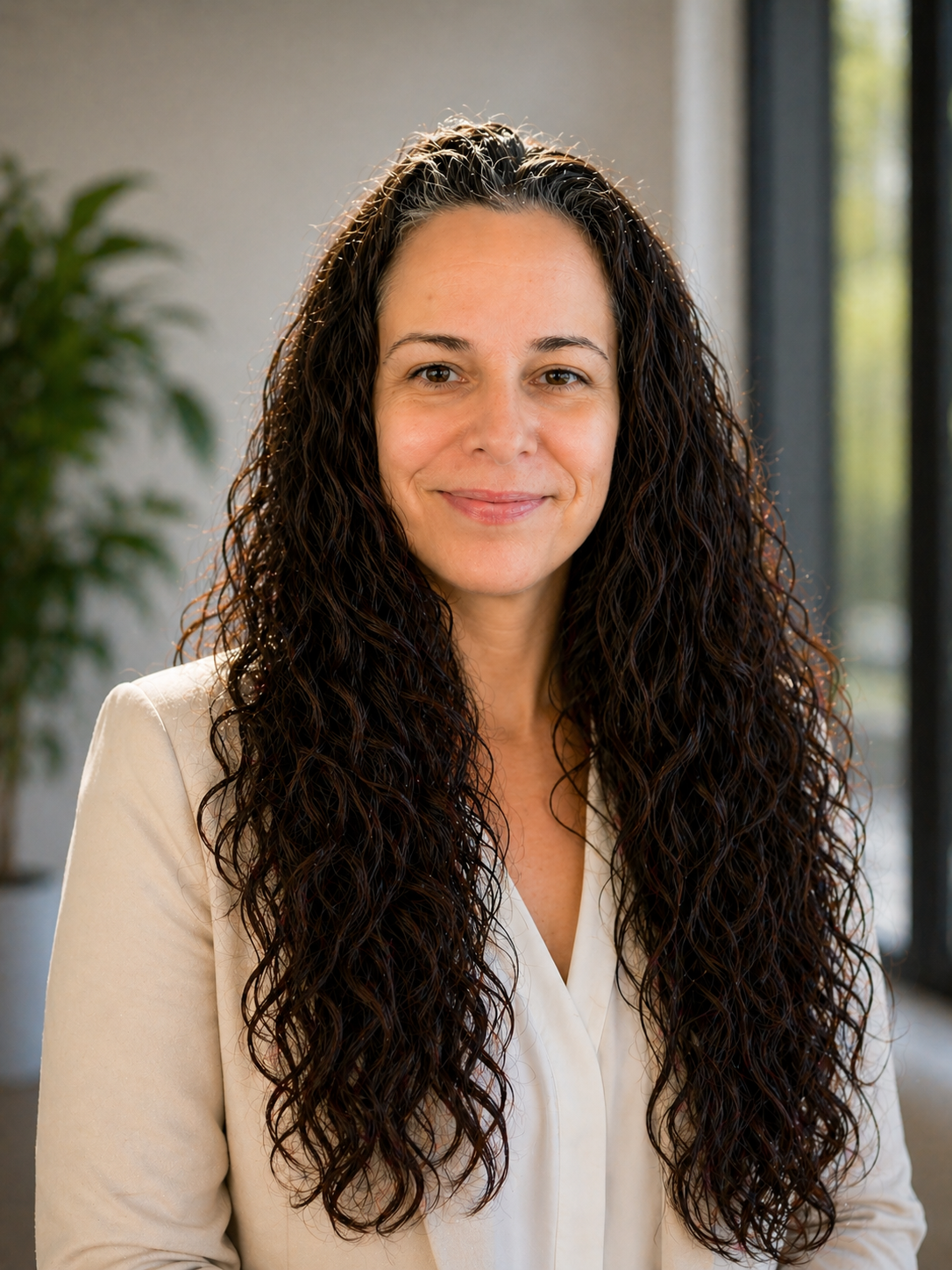
Meet Melissa – Your Partner in Recovery
The challenges of life can leave us feeling overwhelmed, worn down, and unsure where to start. I deeply respect the courage it takes to reach out for support, especially when you’ve been carrying a lot for a long time. My hope is that when you meet with me, you feel seen as a whole person—not a problem to be fixed—and reminded that there is strength and wisdom in you, even if it doesn’t feel that way right now.
I believe counseling works best when it’s collaborative, practical, and tailored to you. The heart of my work is creating a space that feels safe enough for honesty and supportive enough for real change. I’m an Alcohol & Drug Counselor (ADC), and I’ve had the privilege of working with adults across outpatient and partial hospitalization levels of care. I understand how stress, relationships, work, parenting, and legal requirements can pile up—and how easily those pressures can impact recovery.
My style is warm, grounded, and direct in a caring way. I’ll offer compassion and encouragement, and I’ll also help you gently challenge the patterns that keep you stuck. There’s room in my sessions for complexity, emotion, laughter when it fits, and real-life planning you can actually use outside of therapy.
I’m certified through the Idaho Board of Alcohol/Drug Counselor Certification (IBADCC). I earned my bachelor’s degree in Psychology from Waldorf University, and I’m currently an M.A. Candidate in Clinical Mental Health Counseling at the University of Louisiana at Monroe (graduating summer 2027). I’m committed to continuing to grow as a clinician because your care deserves depth, skill, and heart.
You don’t need perfect motivation—you just need a starting point.
Appointments are available online—schedule today and let’s get you support.
My Approach
Recovery isn’t a one-size-fits-all program—it’s a deeply personal process. Some people come in ready for change. Others feel unsure, discouraged, or exhausted from trying. Wherever you are, you’re welcome here.
As an Alcohol & Drug Counselor (ADC), my work is focused on supporting recovery from substance use through compassionate, evidence-based counseling. Services are recovery-focused and centered on substance use counseling. In individual and group sessions, we’ll work on practical tools that help in real life: understanding triggers, reducing relapse risk, strengthening coping skills, improving communication, and building a support system that can hold you up when stress hits.
COGNITIVE BEHAVIORAL THERAPY (CBT)
CBT-informed strategies help identify thought patterns and behaviors that can increase vulnerability to use. We’ll practice practical responses to triggers, cravings, and high-risk situations, with a focus on relapse prevention and day-to-day stability.
You’ll build skills to:
Recognize unhelpful thinking patterns
Manage cravings and urges
Make a plan for relapse prevention
ACT-informed (values-based recovery)
ACT-informed strategies help you make room for uncomfortable thoughts and feelings without escaping into old patterns. We’ll clarify your values and strengthen choices that support recovery—even when life feels hard.
You’ll practice:
Making room for discomfort without judgment
Clarifying what matters most to you
Taking value-based steps, even when it’s hard
EFIT-informed, recovery-supportive work
I’m also exploring Emotionally Focused Individual Therapy (EFIT) concepts as a recovery-supportive lens—because substance use is often connected to difficult emotions, relationship stress, and feeling stuck in repeating patterns. In our work, we may slow down to understand what’s happening under the urge—especially the emotions and relational stressors that can increase relapse risk—so you have more choice in how you respond.
This can support recovery by helping you:
Identify emotional patterns that show up as triggers
Build healthier ways to manage difficult emotions without turning to substances
Strengthen connection and communication in relationships that support your recovery
DBT skills (emotion regulation for relapse prevention)
DBT skills are especially helpful when emotions run high or impulses hit fast. We focus on mindfulness, distress tolerance, emotional regulation, and interpersonal skills—so you can ride out urges and handle stress without turning to substances.
You’ll learn:
Mindfulness and urge-surfing skills
Distress tolerance tools for high-stress moments
Emotional regulation strategies
Communication and boundary skills that protect recovery
Motivational interviewing (MI)
MI is a person-centered, nonjudgmental approach that helps you explore ambivalence and strengthen your own motivation for change. We’ll focus on your reasons for recovery, your goals, and building confidence in your next steps.
We’ll focus on:
Your personal motivation and goals
Building confidence and follow-through
Creating a plan you believe in
Empowered healing, one step at a time
Recovery doesn’t require perfect motivation—you just need a starting point. We’ll move at a pace that’s sustainable and focus on steady progress you can actually maintain.